Fortify Your Connection: Ways Couples Therapy Can Help You Flourish
Couples counseling offers a dedicated space for partners to understand the complexities of their partnership. It addresses issues like communication barriers and trust deficits. A significant number of couples experience obstacles that feel overwhelming. Nevertheless, expert counseling can open doors to transformation. Understanding how these sessions work and the techniques employed can reveal new paths to connection. As individuals address their distinct relationship difficulties, the potential for growth becomes evident. What might they discover about themselves and each other?
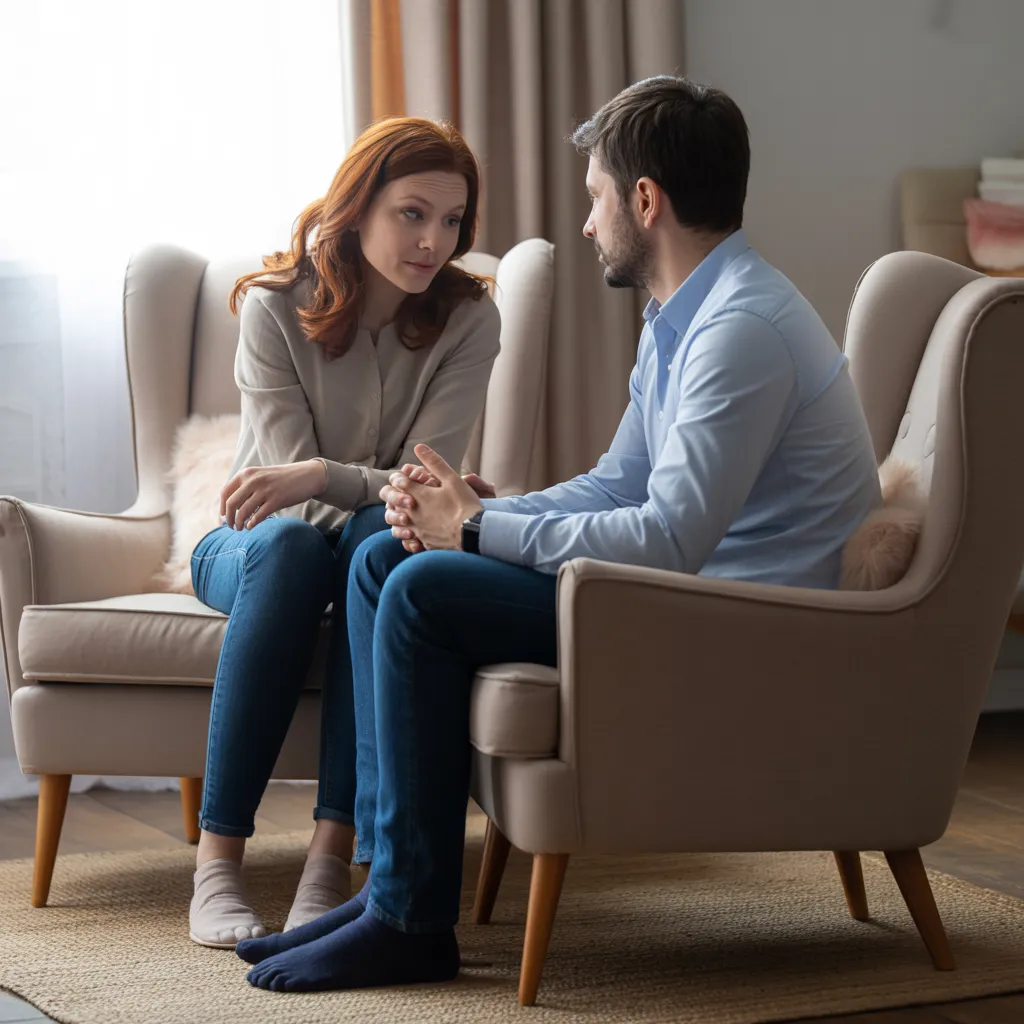
Couples Counseling: Everything You Need to Know
What elements are responsible for how well couples counseling functions? Several key factors are essential to the success of this form of therapy. To begin with, the skill and experience of the counselor can significantly impact outcomes. A seasoned therapist establishes a comfortable setting, encouraging open communication and trust between partners. Additionally, the readiness of both individuals to commit to the process is fundamental; commitment to change and personal transformation amplifies progress. Third, the specificity of aims set at the outset of counseling can shape appointments and evaluate improvement over time. In addition, active participation in exercises and discussions helps couples to explore their dynamics and establish better behaviors. Finally, the moment couples pursue support can influence outcomes; confronting challenges sooner often leads to greater improvements. Recognizing these elements equips couples with the knowledge necessary to maximize the benefits of counseling, thereby enhancing their relationship.
Recognizing Common Relationship Struggles
Partners frequently encounter a variety of difficulties that put strain on their bond. These challenges can appear in many ways, such as communication barriers, differing values, and unresolved conflicts. Many couples experience issues related to trust, arising from previous experiences or unfulfilled expectations. Moreover, financial difficulties commonly contribute additional stress, leading to disagreements about spending and saving habits.
Another common challenge is managing the balance between individual desires and partnership expectations, which can generate emotions of resentment or neglect. Significant life events, such as the arrival of children or career shifts, may add further complexity to relationship dynamics, necessitating ongoing adaptation for couples.
Acknowledging these common struggles is the first step toward addressing them effectively. By accepting obstacles, couples can work together to establish approaches, improving their sense of connection and resilience in the partnership. This awareness is crucial for cultivating a stronger, more harmonious bond.
How Communication Impacts the Outcomes of Couples Counseling
Strong communication holds a key position in the overall outcome of couples counseling. Methods including active listening, communicating emotions directly, and resolving conflicts constructively can significantly impact relationship dynamics. Recognizing these approaches helps couples address their concerns with greater confidence, promoting stronger and more meaningful connections.
Key Active Listening Strategies
Active listening functions as a cornerstone in couples therapy, promoting greater understanding and connection between partners. This approach involves completely engaging with a partner's copyright, through both verbal and non-verbal cues. Counselors often encourage couples to maintain eye contact, nod in recognition, and refrain from interrupting. Mirroring back what has been communicated can also bring clarity to intentions and feelings, facilitating a more thoughtful dialogue. Additionally, summarizing key points shows attentiveness and validates the speaker's emotions. Through practicing these methods, couples can reduce misunderstandings and foster empathy, ultimately strengthening their emotional connection. Active listening revolutionizes communication, empowering partners to manage conflicts more effectively and create a supportive environment for growth and healing in their relationship.
Articulating Emotions Clearly
Articulating emotions with clarity stands as a fundamental component in shaping the outcomes of couples counseling. When partners express their emotions openly, it cultivates compassion and insight, allowing both individuals to connect on a deeper level. This clarity strengthens the counseling journey, enabling the counselor to recognize deep-rooted concerns and behaviors. Additionally, voicing feelings works to dismantle obstacles that have gradually built up, creating a safe space for vulnerability. By practicing effective emotional expression, couples learn to express their wants and expectations without resorting to blame or defensiveness. As a result, this practice not only improves the counseling experience but also arms both individuals with meaningful conversational abilities that can enhance their bond outside of counseling.
Addressing Conflicts in a Constructive Way
Effective communication not only supports the expression of feelings but also serves a vital role in addressing conflicts in a productive manner. Within couples therapy, meaningful conversation allows partners to express their needs and concerns without heightening tensions. By utilizing active listening methods, couples can develop a greater appreciation of each other's perspectives, promoting empathy and decreasing miscommunication. Counselors regularly coach couples on the use of "I" statements, which enable the expression of emotions without directing fault at a partner. This approach encourages a collaborative atmosphere where solutions can be explored rather than focusing solely on the problem. Moreover, creating boundaries for discussions, such as pausing when emotions become intense, can support more constructive communication. Ultimately, constructive conflict resolution strengthens relationships, paving the way for deeper connections and mutual respect.
Effective Techniques in Couples Counseling for Stronger Relationships
Establishing a strong foundation in couples counseling demands the implementation of proven methods that promote open communication and mutual understanding. An essential technique is active listening, where partners develop the ability to thoroughly connect with each other's perspectives without interruption. This nurtures empathy and reduces defensiveness. Additionally, using "I" statements encourages individuals to express their feelings without blaming the other, fostering a more constructive dialogue.
Another effective technique is the establishment of scheduled check-ins, allowing couples to discuss their relationship before issues arise rather than after. This creates a comfortable environment for voicing concerns and acknowledging achievements.
Role-play exercises can also be beneficial, as they allow partners to step into each other's shoes and develop a deeper understanding of each other's experiences. Through the application of these methods, couples can deepen their relationship, resolve conflicts more effectively, and develop a deeper understanding of one another, which ultimately results in a stronger and more fulfilling partnership.
How Couples Counseling Supports You Through Life Changes
Spouses commonly experience significant life changes that can strain their relationship dynamics. Life events such as changing residences, employment shifts, or starting a family can generate tension and anxiety. Couples counseling provides a supportive setting for couples to work through these changes as a team. Through guided conversations, spouses can express their emotions, clarify their needs, and build effective coping tools.
Counseling professionals supply techniques to strengthen communication, fostering an atmosphere of empathy and mutual respect. This support can help couples adapt to evolving roles and obligations while sustaining a meaningful relationship. By addressing underlying issues, partners can stop disagreements from growing into major confrontations.
In addition, professional guidance helps partners to view changes as opportunities for growth rather than obstacles. As they learn to collaborate in overcoming challenges, couples often emerge more resilient and united. Ultimately, couples therapy acts as a vital support during periods of transition, empowering partners to prosper despite uncertainty.
Rebuilding Trust Through Couples Counseling
When trust is broken within a relationship, the journey toward recovery can feel overwhelming, yet couples counseling provides a supportive framework for reestablishing that bond. In this environment, couples can candidly address emotions of betrayal, identify deeper concerns, and overcome communication obstacles. The relationship specialist acts as a balanced mediator, helping both individuals in sharing their feelings without criticism.
Through structured sessions, couples develop the ability to spot patterns that led to the trust violation, promoting greater self-awareness and insight. This method fosters a sense of responsibility, useful information helping each person acknowledge their role while developing the capacity to forgive. Techniques such as active listening and empathy are emphasized, helping partners reconnect emotionally.
Fundamentally, couples counseling not only aids in restoring trust but also strengthens the core of the partnership, arming couples with the resources to overcome difficulties in the future. This proactive approach enhances resilience, building a more meaningful bond founded upon refreshed trust and genuine respect.
Finding the Right Couples Counselor for Your Journey
Selecting the right relationship therapist is vital for a successful therapeutic experience. Credentials and experience play a significant role in ensuring a counselor's effectiveness, while shared communication styles can deepen the connection between the couple and the therapist. Recognizing these key elements can assist couples in making a thoughtful choice for their therapeutic journey.
Credentials and Expertise Matter
Identifying the right couples counselor can substantially affect the outcome of therapy, as their credentials and professional history are critical in guiding couples through struggles. While looking for a therapist, individuals should consider specialists with appropriate credentials, such as a graduate degree in psychology or social work, and dedicated instruction in couples therapy. Certifications from reputable institutions, like the AAMFT, can strengthen a therapist's proficiency. Experience plays an equally vital role; therapists who have assisted diverse couples can offer valuable insights adapted to individual circumstances. By carefully selecting a skilled and seasoned therapist, couples can cultivate a nurturing space, enhancing their path to relationship growth and healing.
Communication Style Compatibility Assessment
Effective communication is essential for couples engaging in counseling, as it profoundly affects the therapeutic process. Both partners contribute unique ways of communicating, which can either facilitate or hinder progress. When choosing a relationship therapist, harmony in communication approach is critical. A therapist who recognizes and adjusts to the couple's favored ways of communicating can create a supportive space for honest conversation. Couples should reflect on whether they favor directness, empathy, or a more structured approach during sessions. This compatibility not only enhances comfort but also promotes openness, enabling deeper exploration of issues. By prioritizing communication style alignment, couples can maximize the benefits of counseling, leading to improved management of relationship challenges and stronger relational foundations.
Most Asked Questions
How Long Does Couples Counseling Typically Last?
Couples counseling typically lasts anywhere from six to twelve sessions, based on the unique needs and objectives of the couple. Every session is typically around 50 minutes long, allowing for in-depth discussions and progress assessments throughout the process.
Is Couples Counseling Effective for Separated Partners?
Absolutely, couples therapy can be effective for separated partners. It offers a organized environment to address lingering concerns, improve understanding, and copyrightine the prospect of reconciliation, assisting both parties develop insight on their future together.
Is Couples Counseling Effective for Non-Traditional Relationships?
Couples therapy proves beneficial for unconventional partnerships, as it provides a nurturing environment to explore unique dynamics, strengthen interpersonal dialogue, and address specific challenges, effectively cultivating understanding and connection among individuals involved regardless of relationship structure.
How Do I Determine if We Need Counseling?
Symptoms that counseling may be necessary include ongoing communication problems, recurring conflicts, emotional distance, or feelings of discontent. If individuals in a relationship find it difficult to resolve these issues on their own, seeking professional help could encourage growth and improvement in the connection.
What Should We Look Forward to in Our First Session?
During their initial session, couples can anticipate a supportive space to share their concerns, an evaluation of their dynamic as a couple, and support from the relationship counselor to define objectives for their sessions, promoting open communication and understanding.
Comments on “everything you need to know about New York City Counseling Services”